

In the modern world, where noise and stress are constant companions, it is essential to have a peaceful and serene space to escape to. ledge stone vs stacked stone find solace in spending time in nature, whether it's taking a walk in the woods or enjoying the sights and sounds of a garden. A garden is not only a beautiful addition to any home, but it also provides a sense of tranquility and relaxation. One element that can take a garden to the next level and create a truly tranquil oasis is a slate garden stream.
Originating from Japan, the concept of a garden stream has been around for centuries. It is a man-made stream that mimics the natural flow of water, creating a calming and soothing atmosphere. Over the years, this concept has gained popularity in other parts of the world, especially in western countries, where people are looking for ways to create a peaceful outdoor space. Slate, a type of metamorphic rock, has become a popular choice for garden streams due to its durability, versatility, and aesthetic appeal.
So, what makes a slate garden stream so special? In this article, we will delve deeper into the world of slate garden streams, exploring their history, benefits, and how to create your own tranquil oasis with this beautiful water feature.
The History of Garden Streams
The concept of a garden stream can be traced back to ancient Japan, where they were known as "chisen-shoyu." This term translates to "pond stream," which refers to a stream that flows into a pond or lake. In Japanese gardens, the use of water is a vital element in creating a harmonious and peaceful space. The sound of running water is believed to have a calming effect on the mind, and the sight of water flowing can help to create a sense of serenity and tranquility.
The earliest recorded garden streams in Japan date back to the 8th century, during the Heian period. These streams were often used to surround and divide different areas of the garden. They were also used to help irrigate the garden and provide a source of water for plants and animals. Over time, the design and purpose of garden streams evolved, and they became more of a decorative element in gardens, rather than a practical one.
In the 16th century, during the Edo period, garden streams became more popular and were included in the design of many Japanese gardens. The famous Katsura Imperial Villa in Kyoto, built in the 17th century, is a perfect example of a traditional Japanese garden that features a garden stream. The stream in this garden is designed to resemble a natural mountain stream, with rocks and boulders strategically placed to create a sense of movement and flow.
The concept of garden streams started to spread to other parts of the world in the late 19th and early 20th century, as Japanese gardens gained popularity in Europe and North America. Many Western gardens were inspired by the Japanese style, and garden streams became a common feature in these gardens. In the 20th century, with the rise of modernism, the use of garden streams declined, but they have made a comeback in recent years as people look for ways to create a sense of peace and tranquility in their outdoor spaces.
Why Choose Slate for a Garden Stream?
When it comes to choosing materials for a garden stream, there are several options available, such as concrete, stone, and plastic. However, slate has emerged as a popular choice due to its unique qualities and benefits. Slate is a type of metamorphic rock that is formed from layers of clay, shale, and volcanic ash. It is known for its durability, versatility, and natural beauty, making it an ideal material for a garden stream.
One of the main advantages of using slate for a garden stream is its durability. Unlike other materials, such as concrete or plastic, slate is resistant to cracking, chipping, and fading. It can withstand extreme temperatures and weather conditions, making it a long-lasting option for outdoor use. Additionally, slate is a low-maintenance material, requiring minimal cleaning and upkeep.
Another benefit of using slate for a garden stream is its versatility. Slate comes in a variety of colors, textures, and sizes, making it easy to customize and create a unique design for your garden stream. It can also be cut into different shapes and sizes, allowing for more creative possibilities. Whether you want a natural-looking stream with irregularly shaped rocks or a more structured design with uniform pieces, slate can accommodate your vision.
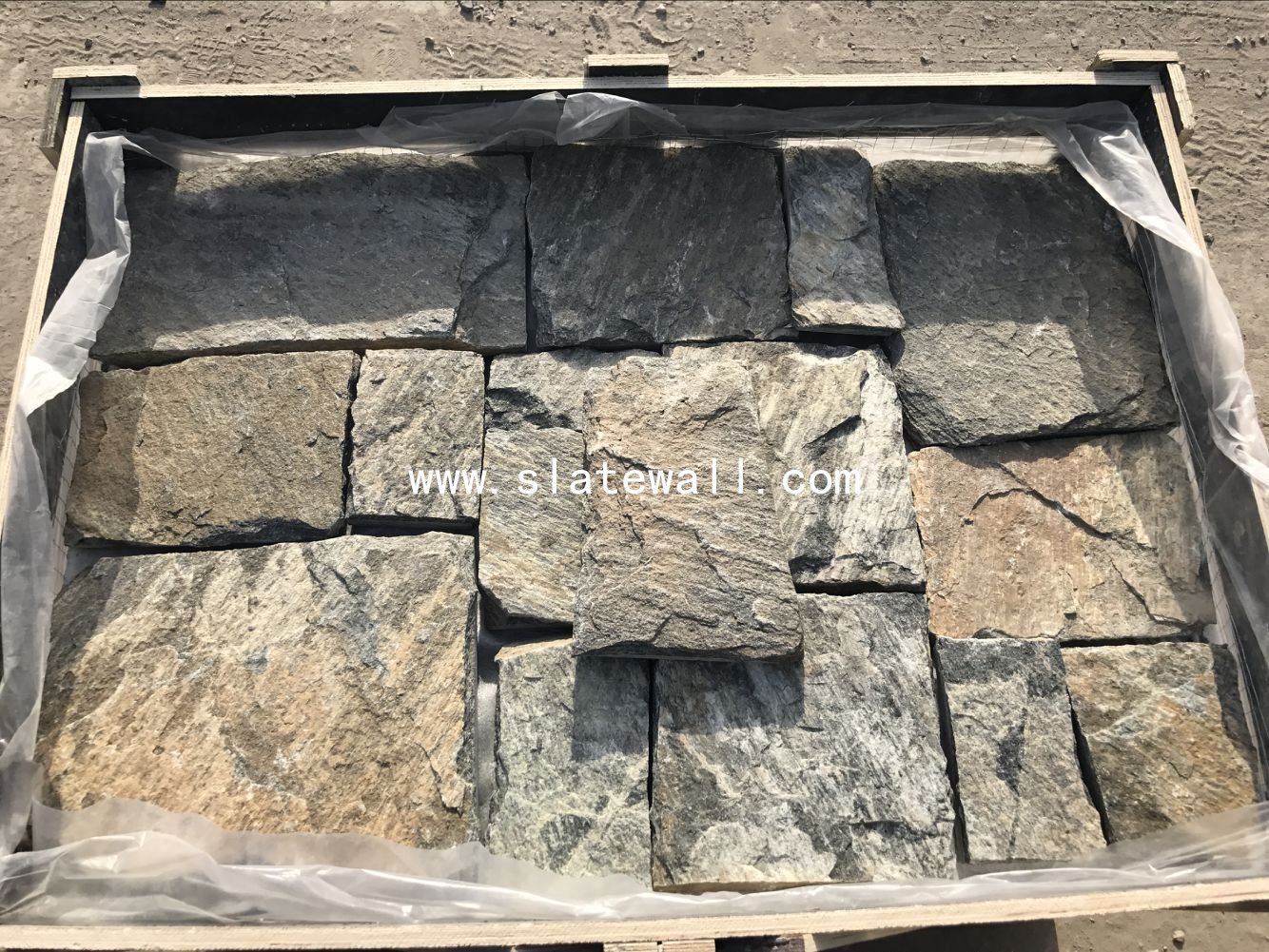
Moreover, slate's natural beauty is unmatched. https://www.fs-slate.com/fs-102/ has a unique and distinctive appearance, with layers of different colors and textures that add depth and character to any garden stream. The natural variations in color and pattern make each slate piece one-of-a-kind, giving your garden stream a sense of authenticity and charm.
Creating a Slate Garden Stream
Now that we have explored the history and benefits of a slate garden stream, let's delve into the process of creating one. While it may seem like a daunting task, creating a garden stream is a relatively simple and straightforward process that can be done by anyone with basic DIY skills.
Step 1: Plan and Design
The first step in creating a slate garden stream is to plan and design your stream. Take some time to visualize how you want your stream to look and where you want it to be located in your garden. Consider the size, shape, and placement of your stream, as well as any additional features you want to include, such as a small waterfall or pond.
Step 2: Gather Materials
The next step is to gather all the necessary materials. Apart from slate pieces, you will need a pond liner, a submersible pump, PVC piping, a shovel, and some gravel. You can also add plants, rocks, and other decorative elements to enhance the overall look of your stream.
Step 3: Prepare the Area
Before starting the installation, you need to prepare the area where the stream will be located. Clear the area of any plants, rocks, or debris, and level the ground. If you are planning to include a waterfall or pond, dig a hole for them and line it with the pond liner.
Step 4: Install the Pond Liner
Place the pond liner in the designated area, making sure it is large enough to accommodate the size of your stream. The liner should be placed in a way that it covers the bottom and sides of the stream. Use rocks or bricks to secure the liner in place.
Step 5: Lay the PVC Piping
The PVC piping will act as the channel for the water to flow through. Lay it along the length of the stream, making sure it is slightly raised in the middle to create a natural slope for the water to flow.
Step 6: Arrange the Slate Pieces
Now comes the fun part – arranging the slate pieces. Start at the top of the stream and work your way down, placing larger pieces at the bottom and smaller pieces towards the top. Make sure to leave some space between the pieces for the water to flow through.
Step 7: Install the Pump
Once all the slate pieces are in place, it's time to install the pump. Place it at the bottom of the stream and connect it to the PVC piping. Test the pump to make sure it is working correctly and adjust the flow of water as needed.
Step 8: Add Finishing Touches
To give your garden stream a more natural look, add some plants, rocks, and other decorative elements around the stream. You can also add a small waterfall or pond to enhance the overall design and add more sound and movement to your stream.
Maintaining Your Slate Garden Stream
To keep your slate garden stream in top condition, it is essential to perform regular maintenance. This includes cleaning the stream, removing debris, and checking the pump and piping for any clogs or damage. It is also crucial to monitor the water level and top it up when necessary. Additionally, it is recommended to drain and clean your stream at least once a year, especially if you live in an area with harsh weather conditions.
In conclusion, a slate garden stream is a beautiful and practical addition to any outdoor space. It can transform an ordinary garden into a tranquil oasis, providing a sense of peace and serenity. With its durability, versatility, and natural beauty, slate is an excellent choice for creating a garden stream that will stand the test of time. So, why not add a slate garden stream to your garden and create your own little piece of paradise?